Repairing Storm-Damaged Trails at Camp Brown Day Use Area
In early December, the impact of the record rainfall and high winds that swept through Western Washington was experienced by many communities, as homes, businesses, and roads were damaged across the state. The significant amount of rain that we received over a short period of time caused water levels to rise quickly and flood, resulting in flooding at recreational areas within the Mountains to Sound Greenway National Heritage Area. With the support of a community of volunteers, we responded by focusing on repairing storm-damaged trails at the Camp Brown Day Use Area.
For those who haven’t had the chance to visit yet, Camp Brown is located in the Middle Fork Snoqualmie Valley, about 11 miles down the Middle Fork Road. This special area just outside of North Bend offers the opportunity for visitors of all experience levels to enjoy and connect with nature, featuring a half-mile loop trail that was built following Americans with Disabilities Act (ADA) standards. The picnic areas located along the trail make it an ideal place to appreciate the beautiful views of Mount Garfield and the river flowing steadily beside the site.

History of Camp Brown
This area has experienced many changes over the years. It previously served as a logging camp between 1929 and 1937, a site for a boys’ camp in the 1950s, and later became a USDA Forest Service (USFS) Guard Station. After the station closed in the mid-1970s, this area became neglected, especially as flooding and human use caused major damage to the riparian areas and vegetation.
In collaboration with the USFS and other partners, the Mountains to Sound Greenway Trust helped establish the trail and picnic sites at Camp Brown, which opened to the public in 2020. Its name was chosen in honor of Robert Brown, a civil engineer and surveyor who helped plan and supervise most of the Middle Fork roads and trails and was tragically killed by a train backing up near the site in 1928.
Walking along the trail today, you can’t easily see signs of this history, but it is an important part of why the Middle Fork Snoqualmie Valley is so special to us and those who experience its trails, views, and habitats. Through collaboration and the support of dedicated community partners, Camp Brown has been transformed into an area that is safe, accessible, and able to be enjoyed year-round by all. However, as we’ve seen from the impacts of the recent storm, Camp Brown is still vulnerable to change and damage, making consistent maintenance a key part of caring for and protecting this area.
How Did Flooding Impact the Trails?
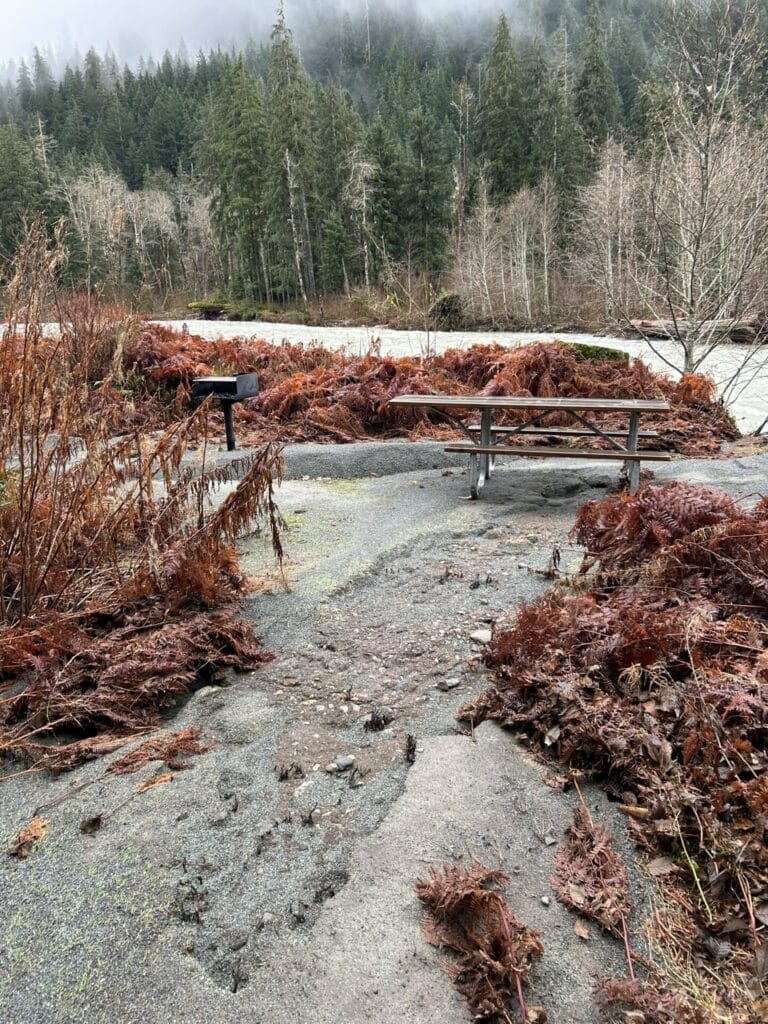
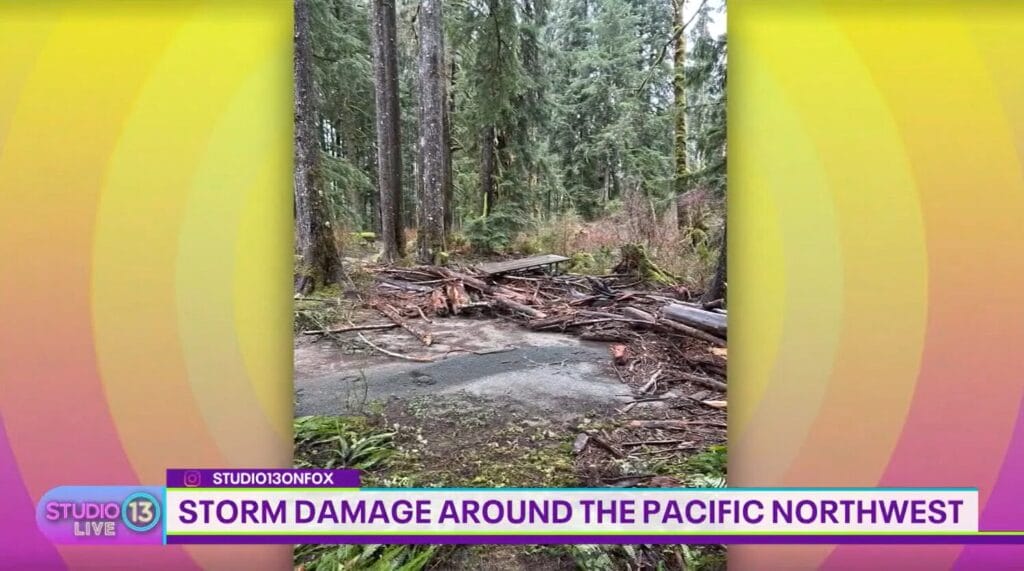
The damage caused by the storm made it difficult and unsafe to access areas along the trail. Gravel and other debris were carried away by the water and found new homes in the surrounding forest, destroying the previously maintained trail and vegetation in the process. Fallen trees and branches also covered parts of the trail and disrupted many picnic sites and walking surfaces, including the turnpike and floating staircase. Large holes and erosion were created along the path to the riverbed due to the impact of the rain, rushing water, and removal of gravel.
Cleanup Efforts and Progress
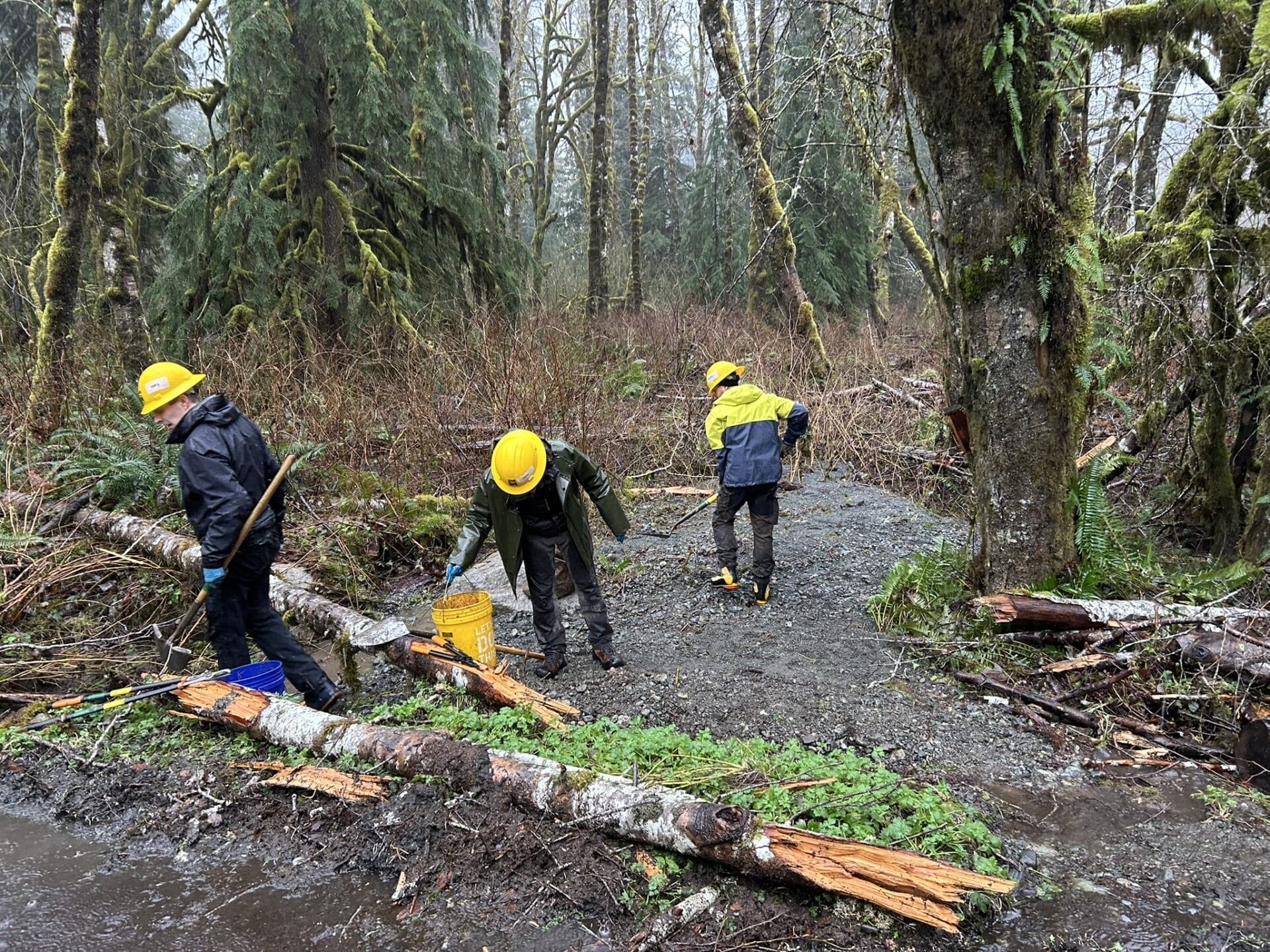
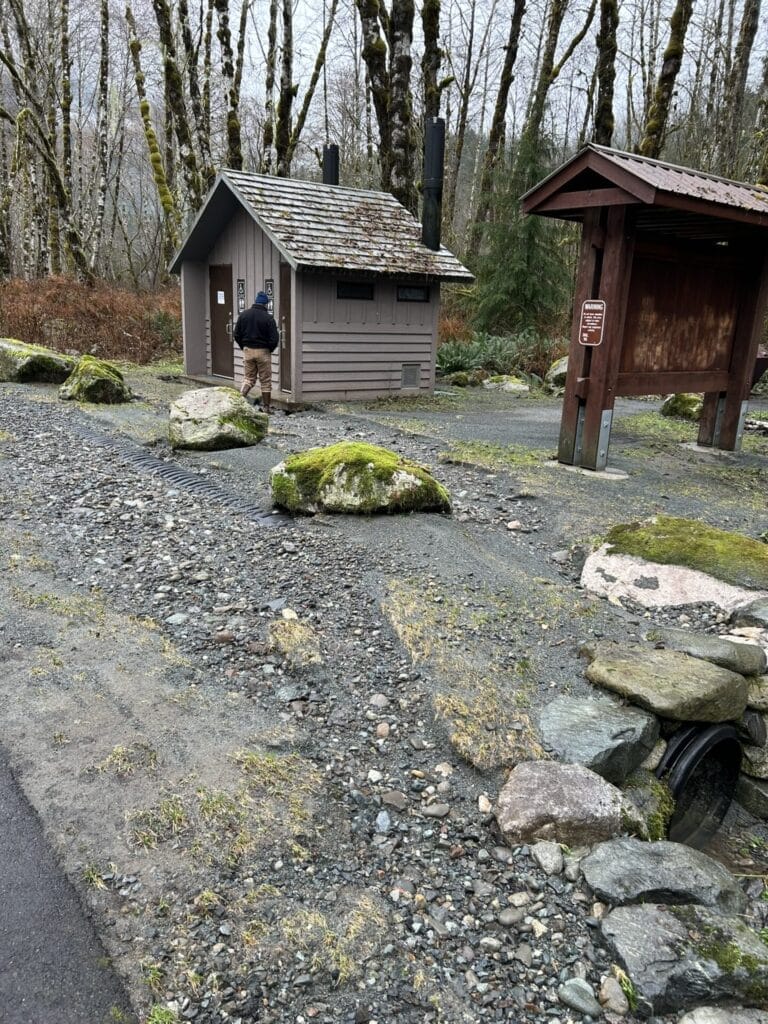
In response to the damage caused by the storm, our team organized volunteer cleanup events to help repair the trails at Camp Brown. New and returning volunteers eagerly stepped up to the challenge of rebuilding after the storm, even keeping cheerful spirits despite some rainy and cold afternoons out at the site. Some highlights of their efforts include restoring gravel surfaces, rescuing the turnpike, repairing picnic sites, and filling holes and erosion on the trail. At the entryway area, volunteers used recovered gravel to repair the path leading from the parking lot to the bathrooms and trailhead kiosk.
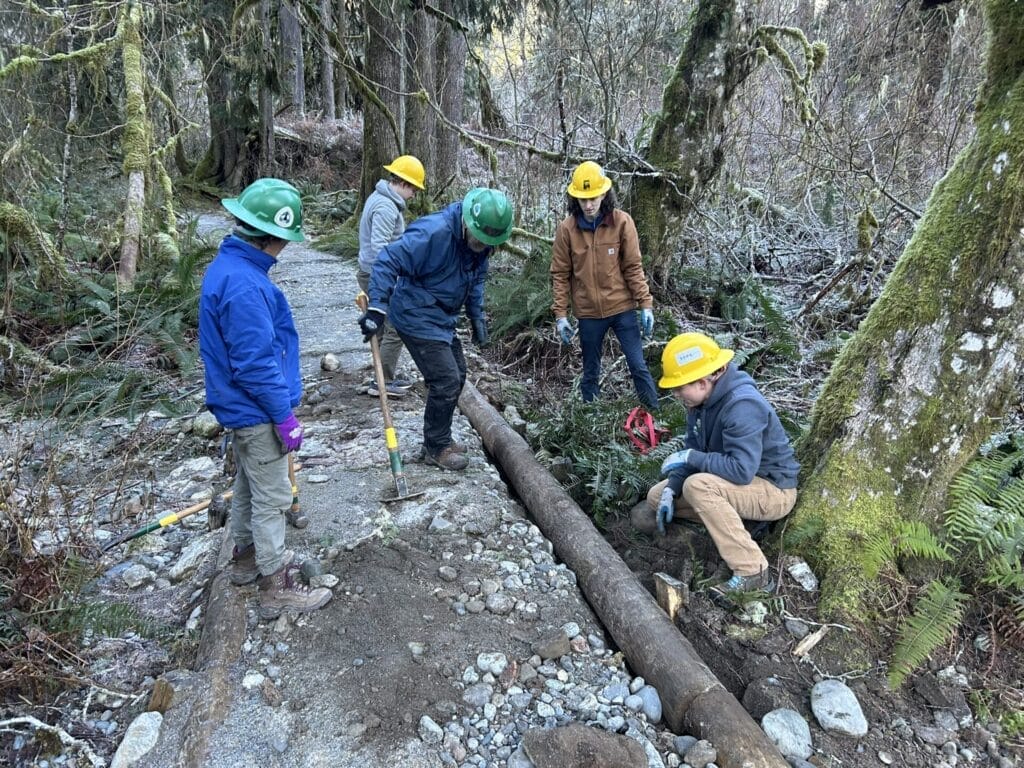
Near the river bar, volunteers worked together to repair the floating staircase. They arranged various-sized rocks, gravel, and a mixture of clay, silt, and sand to refill the steps and area underneath the structure. Along the trail, they also opened drainage to remove pooled water that created erosion, puddles, and mud.


These cleanups are also an opportunity to provide support for our partners at the U.S. Forest Service, as recent budget cuts and federal changes have resulted in less capacity to care for and maintain trails, which becomes especially challenging during times like this when immediate responses are needed.
The hard work and dedication of our volunteers have made a significant difference in helping to bring Camp Brown back to serviceable condition. Our goal is to finish repairs along the trail so that we can re-establish ADA access at this site, ideally in the spring or summer of this year.
Community Response and Support
We are grateful for the supportive response we’ve received from community members and everyone who has helped to spread the word about how to get involved. Last month, we were invited to share on Studio 13 Live about our cleanup events and the impact of the storm on trails in the Middle Fork Snoqualmie Valley. If you missed seeing it live, you can view the segment here.
The Seattle Times also published an article this week highlighting our storm response and the importance of cleaning up this area. To get a closer look at the volunteer experience at Camp Brown, you can check out the article here.
Join Us in Rebuilding After the Storm
As we’ve seen this month, the power of volunteers coming together in response to the storm has made a major impact. You can be part of our efforts to fully repair storm-damaged areas at Camp Brown and help with other ongoing trail maintenance in the Middle Fork Snoqualmie Valley and other areas across the Greenway NHA.
Here’s how you can help:
- Join the Greenway Trust’s storm response team by registering to volunteer at Camp Brown cleanup events in February. You can view our calendar of upcoming events to sign up and learn more.
- Stay connected by signing up to receive our email newsletter, so you can hear about other opportunities to get involved in the coming months.
- Donate to our Middle Fork Stewardship Fund to help protect the future of this special area. This ambitious $10 million campaign will allow us to set up a self-sustaining fund to provide forever care for the habitats, trails, and infrastructure in this area. To donate and learn more, visit our website here.